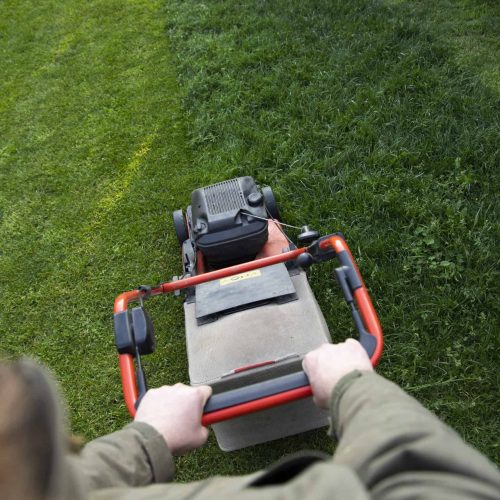
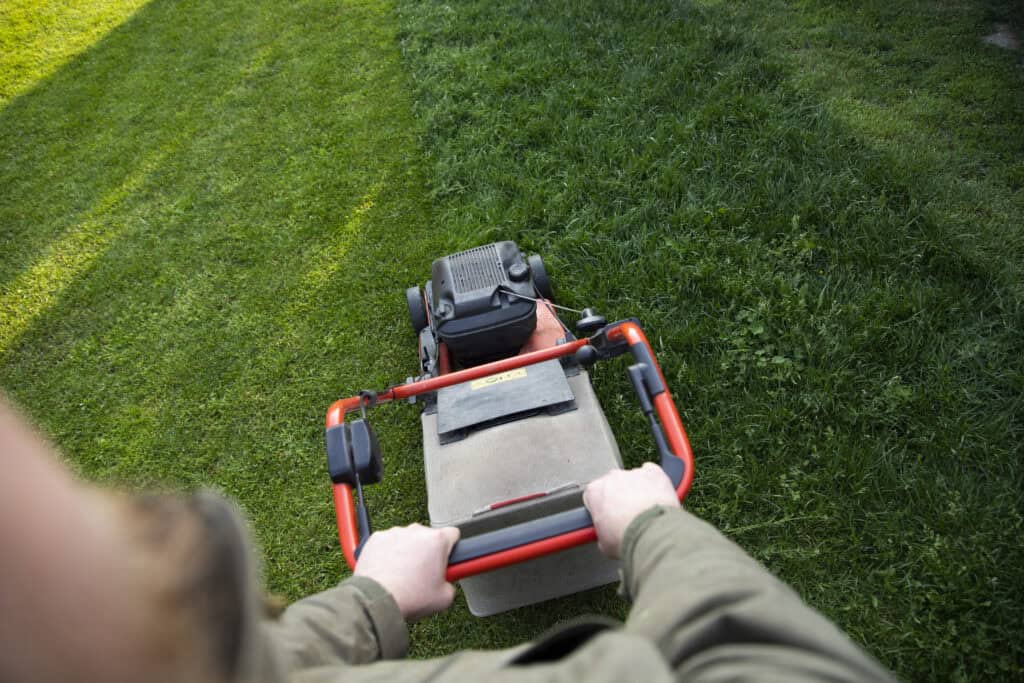
Most homeowners think of mowing as maintenance, a chore to knock out before the grass looks unruly. In practice, cutting height is one of the more consequential decisions in lawn care. It shapes turf density, root depth, and how well grass tolerates heat, drought, and traffic. Get it right, and the lawn becomes harder for pests, weeds, and disease to gain a foothold.
Mowing height isn’t a cure-all. Insects, diseases, and weeds are shaped by irrigation, soil quality, fertilization, weather, and grass species, among other variables. But of all the levers available to a homeowner, mowing height is one of the easiest to control and one of the easiest to get wrong.
At Little Rock Lawns, we take the guess work out of the equation. Let us handle it!
How Mowing Height Influences Lawn Health
Every pass of the mower removes leaf tissue the plant relies on for photosynthesis. Cut too short too often, and the grass has less capacity to produce energy, which limits its ability to bounce back from heat, drought, or foot traffic.
Grass cut at an appropriate height retains enough leaf area to keep growing steadily while forming a dense canopy. That canopy does real work: it shades the soil and limits the opportunities weeds have to establish.
Height and root depth are linked as well. Taller turf tends to develop deeper roots, which improve its access to water and nutrients, a real advantage during hot, dry stretches. Mow too short, and the opposite happens: the lawn may look tidy right after cutting, but repeated close cuts wear it down, leaving thin patches and exposed soil over time.

The Connection Between Mowing Height and Pest Activity
Mowing height doesn’t directly attract or repel pests; the relationship works through the health of the turf itself. A weakened lawn has a harder time competing. Once grass thins out, insects, weeds, and disease organisms have more room to exploit stressed plants or colonize bare ground. Grass that’s actively growing and well-rooted tolerates damage better and recovers faster.
Weeds are the clearest example. Research from Penn State Extension has found that raising mowing height reduces weed pressure, since a taller, denser canopy shades the soil and cuts off the light germinating weed seeds need.
Some insects follow a similar pattern. Chinch bugs and sod webworms tend to do the most damage when turf is already stressed by heat and drought, while grubs feed on roots below the surface regardless of how the lawn is cut. Mowing height won’t stop an active infestation; it’s not a substitute for identifying and treating a real pest problem but it does influence how vulnerable the lawn is in the first place.
This is why Little Rock Lawns offers pest and weed prevention as part of our monthly maintenance plans.
Proper Mowing Height Helps Control Weeds
Weeds tend to show up where turf has thinned, and thin turf lets sunlight reach bare soil, exactly the condition weed seeds need to germinate. Penn State Extension notes that mowing heights kept too short can weaken turf and open the door to weed invasion.
Crabgrass illustrates this well. It grows low to the ground and tolerates close mowing far better than most desirable turfgrasses do, which gives it room to spread wherever the lawn is repeatedly cut low. Keeping grass around three inches, where that height suits the turf species, reduces the light reaching young crabgrass plants and slows its spread.
That doesn’t mean taller is always better. Letting grass grow unchecked creates its own headaches, especially if too much tissue has to be removed in a single pass once mowing finally happens. The target is a consistent, appropriate range, not a race to the tallest setting.

Mowing Height and Frequency Work Together
How often a lawn needs mowing depends on how fast it’s growing, which in turn depends on weather, irrigation, fertilization, and grass species. Height and frequency aren’t separate decisions; they’re the same decision made on different timelines.
The one-third rule is the standard guideline here: never remove more than a third of the blade in a single mowing. Grass at three inches should lose about an inch at most. A lawn that’s gotten away and grown to six inches shouldn’t be scalped back to its target height in one pass. It’s better to raise the deck for the first cut and bring it down gradually over the following mowings.
The crews at Little Rock Lawns will make sure your grass is cut to the correct height every time.
Other Mowing Practices That Affect Pest Pressure
Height isn’t the only variable. Blade sharpness matters just as much. Dull blades tear grass instead of cutting it cleanly, leaving ragged tips that add stress and slow recovery. Keeping blades sharp is a small habit with an outsized effect on how well the lawn holds up.
Timing counts too. Mowing dry grass produces a cleaner cut and cuts down on clumping. If clippings are left on the lawn, they should be spread out rather than allowed to pile up. A mulching mower handles this automatically, chopping clippings fine enough that they break down and return nitrogen to the soil instead of smothering it.
Thatch is worth watching. A thin layer is normal, but once it builds up beyond that, it can shelter insects and disease organisms while blocking water and nutrients from reaching the soil.
Scalping, cutting into the crown of the plant or removing far more tissue than intended, is one of the most damaging things a mower can do to a lawn, leaving it stressed and exposed right when it needs to be at its strongest.
Choosing the Right Mowing Height for Your Lawn
There’s no single ideal height that works across every yard. It depends on the grass species: Kentucky bluegrass, perennial ryegrass, and tall fescue all have different tolerances, as well as the property’s sun exposure, soil, irrigation, and traffic.
As a general range, most established lawns are well maintained somewhere between two and three inches or a bit higher, though the right number depends on species and conditions. Some extension guidance sets the floor at two inches; other sources recommend three to four inches for the healthiest results, particularly in hot weather, when the extra height helps shade the soil and improve drought tolerance.
The underlying principle stays the same throughout the season: adjust to conditions rather than mowing on autopilot. Grass should be actively growing before it’s cut hard, and mowing should ease up when the weather makes recovery difficult.

Why Mowing Height Is Part of a Bigger Picture
Mowing height matters, but it doesn’t work in isolation. Irrigation, fertilization, soil condition, and pest pressure all influence one another, which is why a lawn with recurring pest problems often needs more than another round of treatment; it may need a closer look at how it’s being mowed, watered, and fed. Integrated pest management follows the same logic: cultural practices like proper mowing come first, with monitoring and treatment layered on top rather than being relied on as the only line of defense.
Keep Your Lawn Healthy With Little Rock Lawns
Getting mowing height right is one of the more overlooked fundamentals of lawn care, and one of the few a homeowner can control directly. Done consistently, it supports stronger roots, denser turf, and a lawn that’s naturally more resistant to weeds, pests, and heat stress.
If your lawn keeps struggling with weeds, thin spots, or pest activity no matter what you try, the mowing routine may be part of the problem and part of the fix. Little Rock Lawns provides residential and commercial lawn care throughout the Little Rock area, including mowing and lawn maintenance, fertilizing, pest control, sprinkler and irrigation installation and repair, drainage systems, and sod and seeding.
Call Little Rock Lawns at (501) 257-0323 or visit littlerocklawns.com for a free quote!