A great-looking lawn doesn’t happen by accident. Behind that lush green surface is usually a well-thought-out irrigation system doing quiet, consistent work. The tricky part? Not every system works the same for every lawn. Soil, sun exposure, and even the type of grass all play a role in how water should be delivered. Get it right, and your lawn thrives. Get it wrong, and you’re dealing with dry patches, runoff, or wasted water.
Let’s break down what actually works and where.
Understanding Lawn Types and Water Requirements
Every lawn behaves a little differently. Some hold onto water like a sponge, while others let it drain away almost instantly. That’s where soil type comes in.
Clay soils tend to retain water longer, which sounds great until you realize they can easily become oversaturated. That’s when overwatering becomes a real problem. On the flip side, sandy soil drains quickly, meaning you’ll need to water more often to keep moisture in the root zone.
Then there’s the type of grass. Turfgrass growing in full sun will naturally need more frequent watering due to higher evaporation. Shadier lawns? They hang onto moisture longer, so they don’t need as much.
A smart homeowner pays attention to these details. The goal isn’t just to water your lawn, it’s to deliver water in a way that matches its actual water needs without wasting resources.
Overview of the Main Types of Irrigation Systems
There’s no one-size-fits-all irrigation system, and that’s actually a good thing. Different types of irrigation systems are built for different situations.
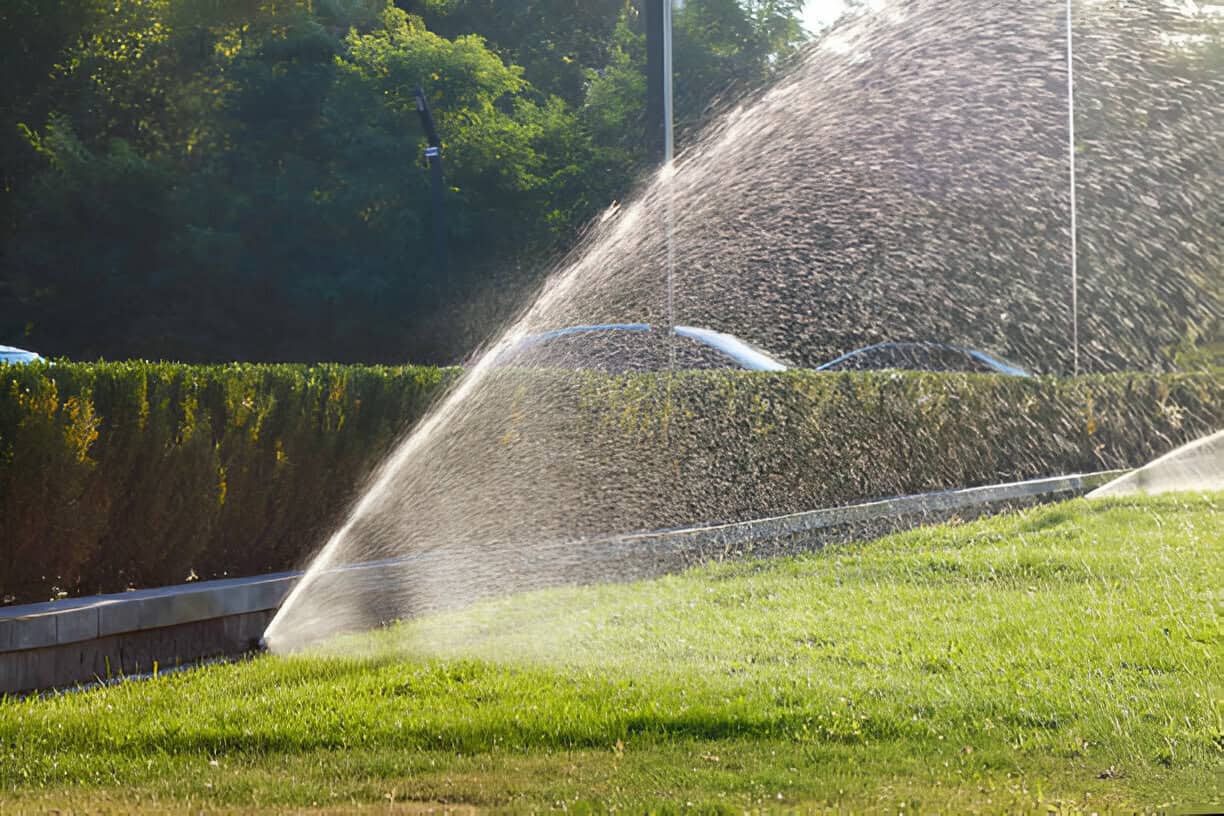
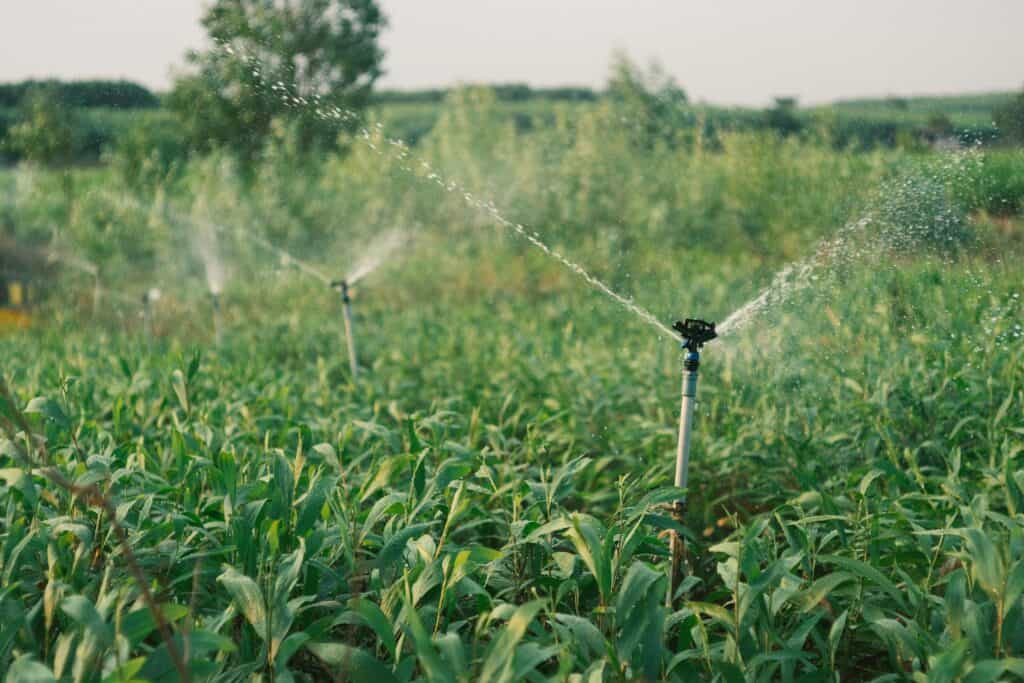
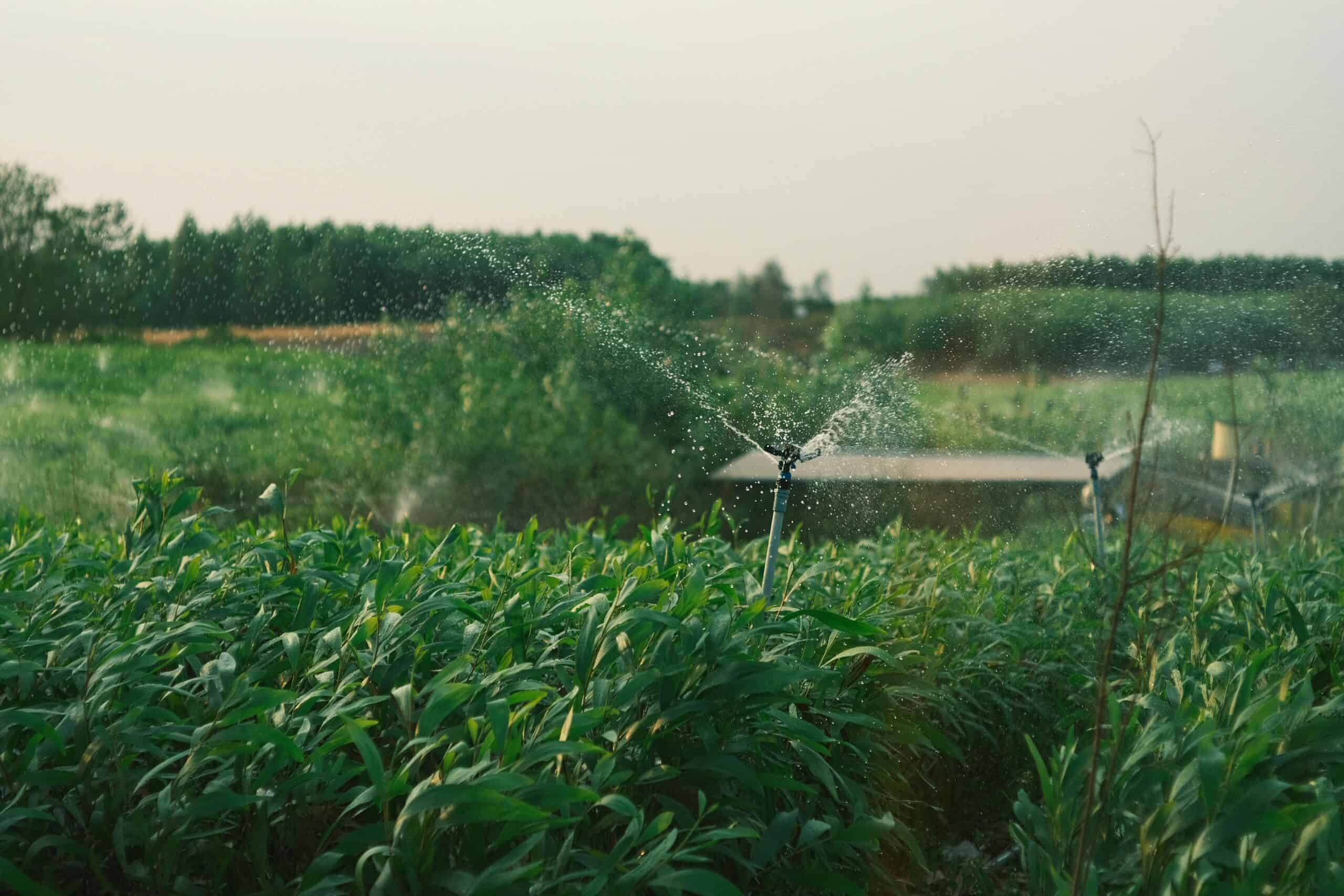
Sprinkler systems are probably the most familiar. A typical sprinkler irrigation system sprays water across the lawn, making it ideal for covering wide, open areas. These can range from simple above-ground sprinkler setups to more advanced in-ground sprinkler system designs with pop-up sprinklers and fixed spray heads.
Drip irrigation takes a more targeted approach. Instead of spraying water, it uses tubing, emitters, and drip tape to deliver water slowly and directly to the base of plants. This method is especially useful in garden beds, raised beds, and flowerbeds.
There’s also surface irrigation, where water flows across the ground. It’s less common in residential landscape setups because it’s harder to control and not very water-efficient.
Each irrigation system has its place. The key is matching the system to your lawn and landscape, not the other way around.
Sprinkler Systems for Turfgrass and Large Lawns
If you’ve got a wide, open lawn, a sprinkler system is usually the best irrigation choice. These systems are built to distribute water evenly across larger landscapes, which is exactly what turfgrass needs.
Rotor sprinklers and rotary systems work well for bigger spaces. They rotate as they spray water, covering more ground with fewer sprinkler heads. For smaller sections, fixed spray sprinkler heads or spray heads provide more controlled coverage.
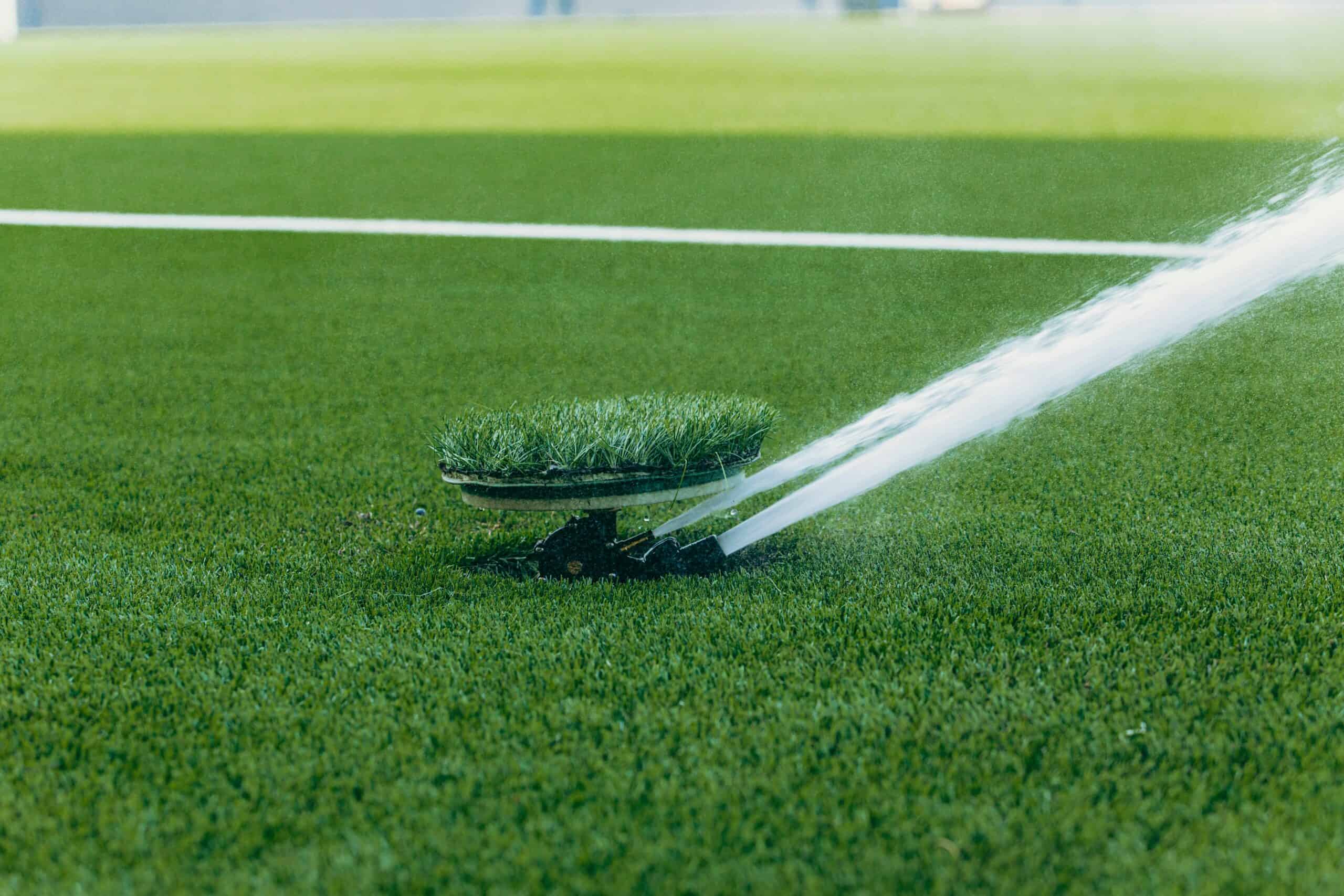
Pop-up sprinklers are a popular option for in-ground sprinkler system setups. They stay hidden at ground level until activated, then rise to spray water before retracting again. It’s clean, efficient, and doesn’t get in the way of mowing or foot traffic.
Automatic sprinkler systems take things up a notch. With a controller and smart sprinkler features, you can set an irrigation schedule that adjusts based on real-time weather. That means you’re not watering during a rainstorm or overdoing it during cooler weeks.
Still, setup matters. The right nozzle, proper water pressure, and balanced water flow all make a difference in how well sprinklers distribute water. Poor installation can lead to uneven coverage or wasted water.
The experts at Little Rock Lawns will match your lawn with the right irrigation system.
Drip Irrigation Systems for Targeted Watering
Drip irrigation is all about precision. Instead of spraying water across the surface, a drip irrigation system delivers water slowly, right where it’s needed.
Using drip tubing, emitters, and sometimes drip tape, these systems send water directly into the root zone. That helps reduce evaporation and keeps plants consistently hydrated without soaking the surrounding soil.
Drip irrigation works especially well in garden beds, flowerbeds, and areas with tightly spaced plants. It’s also a great fit for local irrigation zones where you don’t want to water the entire lawn.
Some setups even include a soaker hose for simpler layouts. Whether it’s a full drip irrigation system or smaller drip systems, the benefit is the same—efficient, water-efficient delivery that cuts down on waste.
One thing to note: Drip irrigation isn’t usually the go-to for full lawns. It shines in targeted areas where precision matters most.
Hose-End and Above-Ground Solutions for Small Lawns
Not every lawn needs a permanent system. For smaller spaces, a hose-end sprinkler can do the job just fine.
Oscillating sprinklers are a classic choice. They move back and forth, spraying water in a rectangular pattern—perfect for compact lawn areas. Impact sprinklers, on the other hand, rotate and can cover circular zones.
Above-ground sprinkler setups are easy to install and flexible. You can move them around as needed, which is helpful if your lawn has irregular shapes or changing needs.
That said, they do require a bit more hands-on management. Without a controller or valve system, you’ll need to stick to a watering schedule manually. It’s not always as consistent as automatic systems.
Matching Irrigation Systems to Soil and Landscape Conditions
Choosing the best irrigation system isn’t just about convenience, it’s about compatibility.
Clay soils benefit from slower watering methods like drip irrigation, which allows water to soak in without pooling. Sandy soil, meanwhile, responds better to shorter, more frequent watering cycles, something a well-designed sprinkler system can handle.
Slope matters too. On uneven ground, water can run off before it has a chance to soak in. In those cases, drip systems or carefully adjusted spray systems help keep water where it belongs.
You’ll also want to consider your irrigation supply, water pressure, and overall water flow. Too little pressure, and your sprinkler head won’t spray properly. Too much, and you risk damaging components like emitters or nozzles.
It’s all about balance and delivering the right amount of water in the best way.
Smart Irrigation and Modern Efficiency Enhancements
Irrigation has come a long way. Today’s systems aren’t just timers, they’re smart.
A smart sprinkler setup can track real-time weather conditions and adjust your irrigation schedule automatically. That means less guesswork and more efficient watering.
Modern controllers, improved valve systems, and better spray heads all contribute to effective irrigation systems that are both reliable and water-efficient.
The result? Healthier lawns, less waste, and noticeable financial benefits over time. You save water and money without sacrificing the quality of your landscape.
Professional Installation and Maintenance Considerations
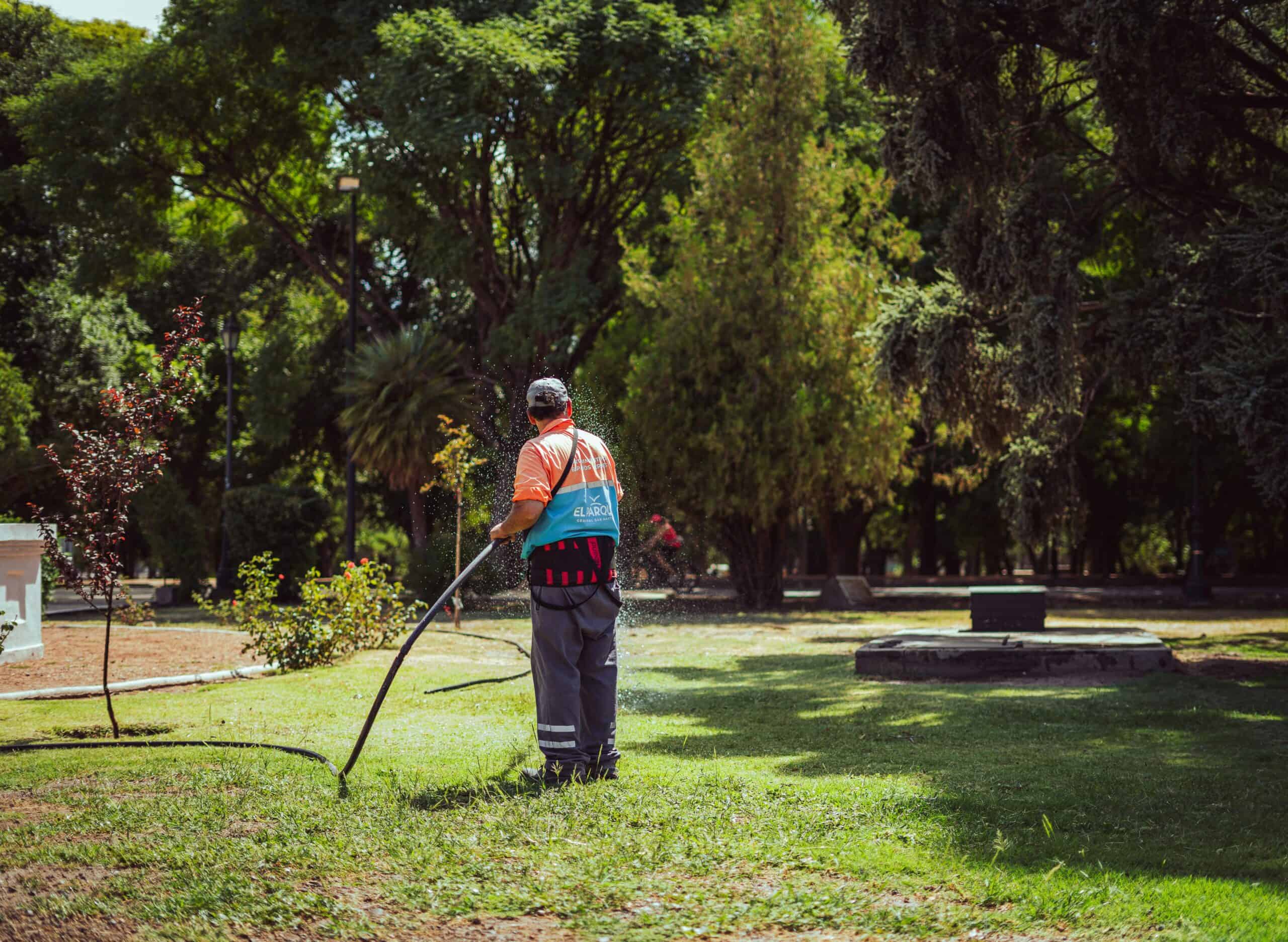
Even the best irrigation systems can fall short if they’re not installed correctly. Layout matters. So does the placement of sprinkler heads, tubing or PVC lines, and emitters.
Regular maintenance is just as important. Over time, parts can clog or wear out. A blocked nozzle or damaged valve can throw off the entire system. Routine checks help keep everything running smoothly and ensure your lawn gets consistent coverage.
Little Rock Lawns will install, maintain, and check your system regularly.
Work with Experts for Optimal Lawn Irrigation
If you want your irrigation system to actually perform the way it should, working with professionals makes a big difference. Little Rock Lawns specializes in lawn care, irrigation installation and repair, and pest control services for both residential and commercial properties.
They don’t just install systems, they help assess your lawn’s irrigation needs and recommend solutions that make sense for your space. From sprinkler system installation to troubleshooting water distribution issues, their team brings practical, hands-on experience.
They also offer services like mulch and sod work, general cleanup, gutter and roof cleanup, and pest control as part of their monthly lawn maintenance plans.
You can reach them at (501) 257-0323 or visit https://littlerocklawns.com/ to learn more. A properly set up irrigation system isn’t just about convenience, it’s about long-term lawn health.